Pasabag Monks Valley – Famous Fairy Chimneys of Cappadocia
Pasabag Monks Valley, known in Turkish as Paşabağ, is one of the most recognizable landscapes in Cappadocia. Famous for its extraordinary fairy chimneys, unusual volcanic formations and centuries-old religious history, the valley is one of the places where Cappadocia’s unique geology can be seen at its best.
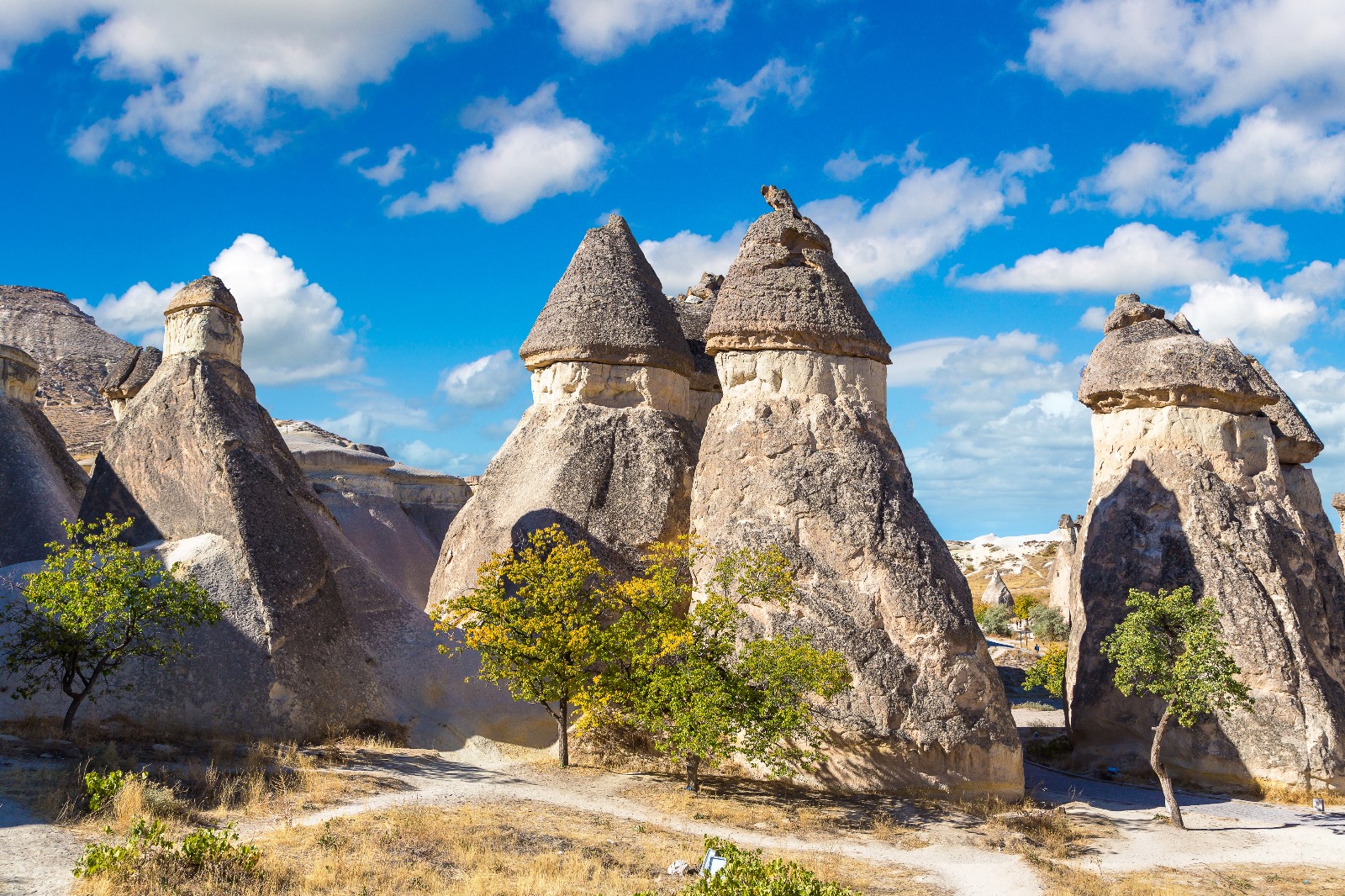
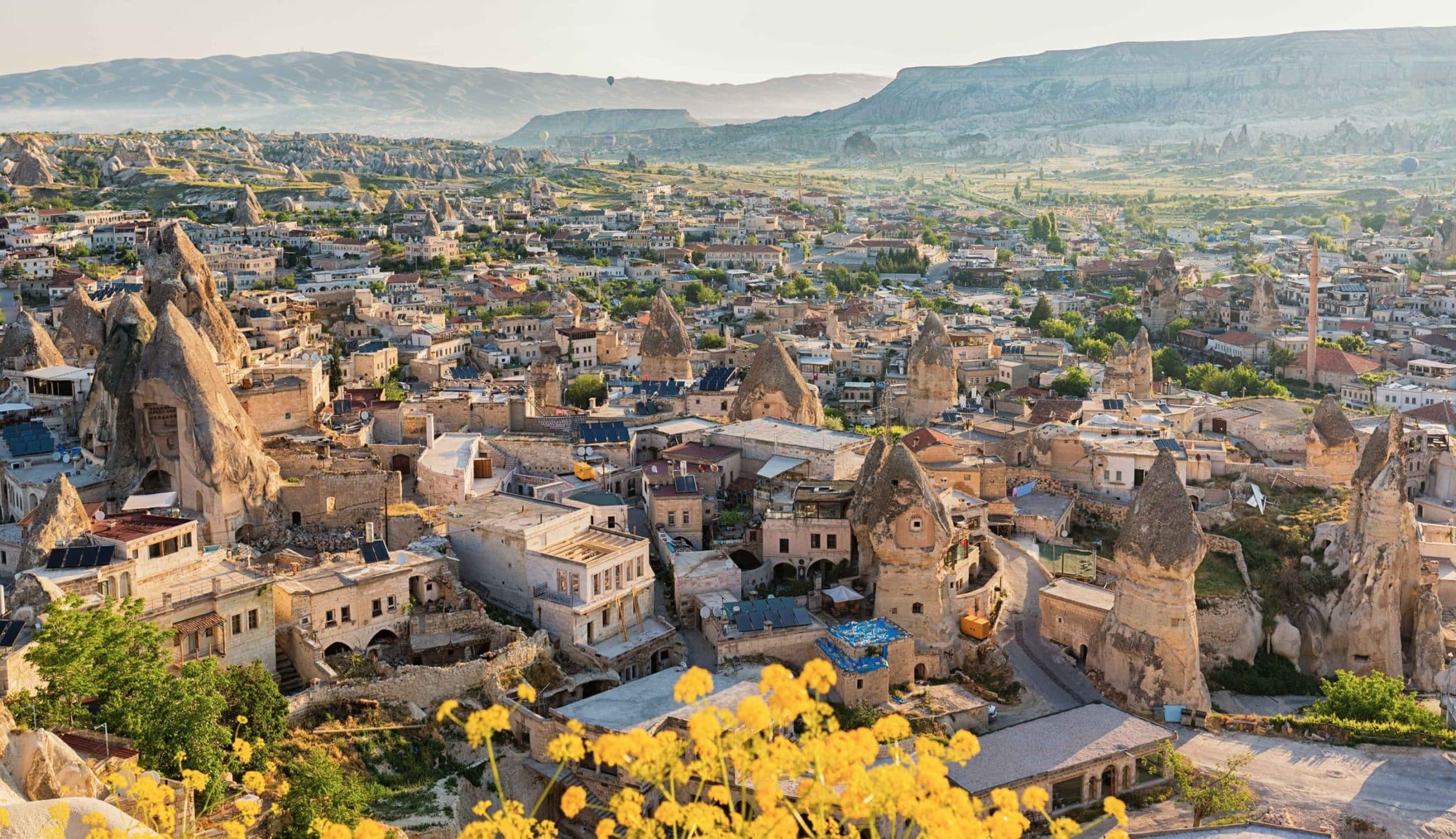
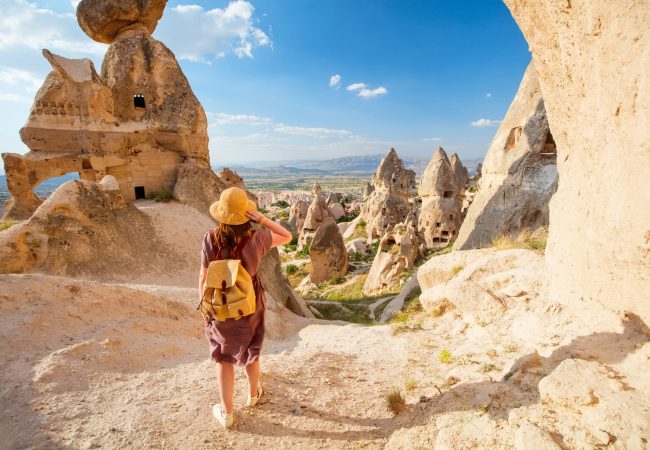
Located between Göreme and Avanos, Pasabag Cappadocia attracts visitors with some of the region’s most impressive fairy chimneys. Many have distinctive mushroom-shaped caps, while others appear as double or even triple rock formations rising from the valley floor.
But Pasabag is more than a beautiful photography stop. Hidden inside some of these formations are rock-cut spaces connected with the monks and hermits who once sought isolation in Cappadocia.
Why Is Pasabag Called Monks Valley?
The name Monks Valley comes from the religious communities and hermits associated with the area.
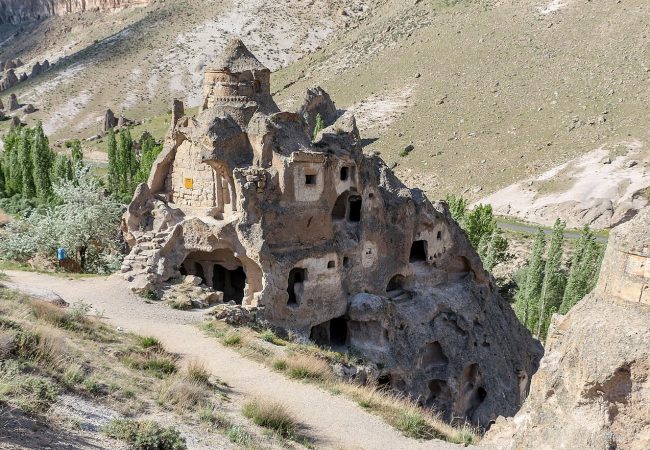
For centuries, Cappadocia became an important environment for Christian monastic life. The isolated valleys and soft volcanic rock allowed monks to create small chapels, shelters and living spaces directly inside the landscape.
At Pasabag Monks Valley, some fairy chimneys were hollowed out and used as places of retreat.
This combination of spectacular geology and religious history gives Pasabag a character that is different from many other valleys in Cappadocia.
The Famous Fairy Chimneys of Pasabag
The biggest attraction at Pasabag Monks Valley is undoubtedly its fairy chimneys.
Cappadocia’s volcanic landscape was shaped over immense periods of time by erosion. Softer layers of volcanic material gradually disappeared while harder rock remained above some formations, creating the distinctive capped structures visitors see today.
Pasabag contains particularly impressive examples.
Some fairy chimneys have a single cap, while others develop multiple stems beneath the upper rock. These unusual formations have made Pasabag Fairy Chimneys some of the most photographed natural landmarks in Cappadocia.
Walking between them also gives visitors a completely different perspective compared with simply seeing Cappadocia from a panoramic viewpoint.
Saint Simeon and Pasabag Monks Valley
One of the most interesting historical stories associated with Pasabag involves Saint Simeon.
Simeon Stylites became famous for pursuing an ascetic religious life on top of a pillar. His example inspired other Christian ascetics, and Cappadocia developed its own traditions of religious isolation.
A rock-cut hermitage in Pasabag is traditionally associated with Saint Simeon, helping explain why the valley became known for its connection with monks and hermits.
Visitors can therefore experience more than geological formations here. Pasabag also provides an opportunity to understand how Cappadocia’s landscape influenced religious life.
How Were the Pasabag Fairy Chimneys Formed?
To understand Pasabag Monks Valley, it helps to understand the geological story of Cappadocia.
Volcanic activity in Central Anatolia deposited layers of ash and volcanic material across the region. Over time, this material hardened into relatively soft rock.
Wind, rain and temperature changes gradually eroded the landscape.
Where harder stone protected the softer material underneath, tall pillars survived. The harder upper sections eventually became the characteristic caps of Cappadocia’s fairy chimneys.
This natural process produced the extraordinary shapes visible throughout Pasabag Valley today.
What to See at Pasabag Monks Valley
A visit to Pasabag Monks Valley Cappadocia is relatively easy to combine with other nearby attractions, but the valley itself deserves time to explore.
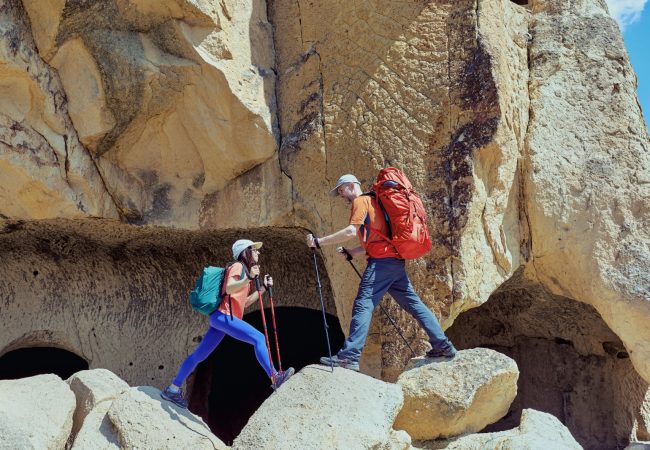
Rather than only stopping for photographs, walk between the formations and observe how dramatically their appearance changes depending on your position.
Visitors can discover towering fairy chimneys, multi-headed formations, rock-cut chambers and examples of how people adapted natural formations for religious purposes.
The combination of open landscape and closely grouped fairy chimneys also makes Pasabag an excellent photography location.
One of the easiest ways to visit Pasabag Monks Valley is with a Cappadocia Red Tour.
The Red Tour focuses on many of the famous attractions around northern Cappadocia and is particularly suitable for travelers visiting the region for the first time.
Pasabag fits naturally into this route because it can be combined with other well-known Cappadocia landscapes and historical attractions during a full-day experience.
Visiting with a professional guide also helps travelers understand what they are seeing. The strange shapes of the fairy chimneys become much more interesting when you understand how they formed and why monks chose this landscape for religious retreat.
Another way to experience Pasabag Monks Valley is with a Cappadocia Mix Tour.
The Mix Tour is designed for travelers who want to experience different aspects of Cappadocia within a single itinerary.
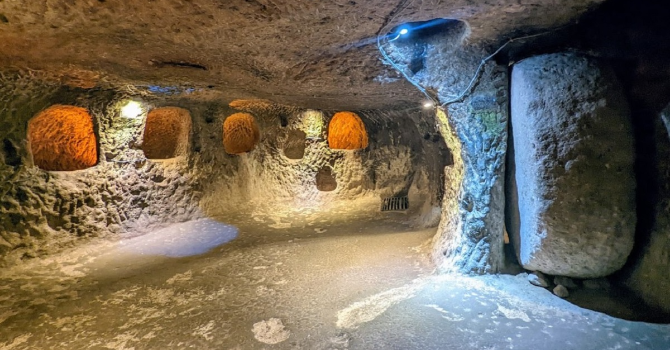
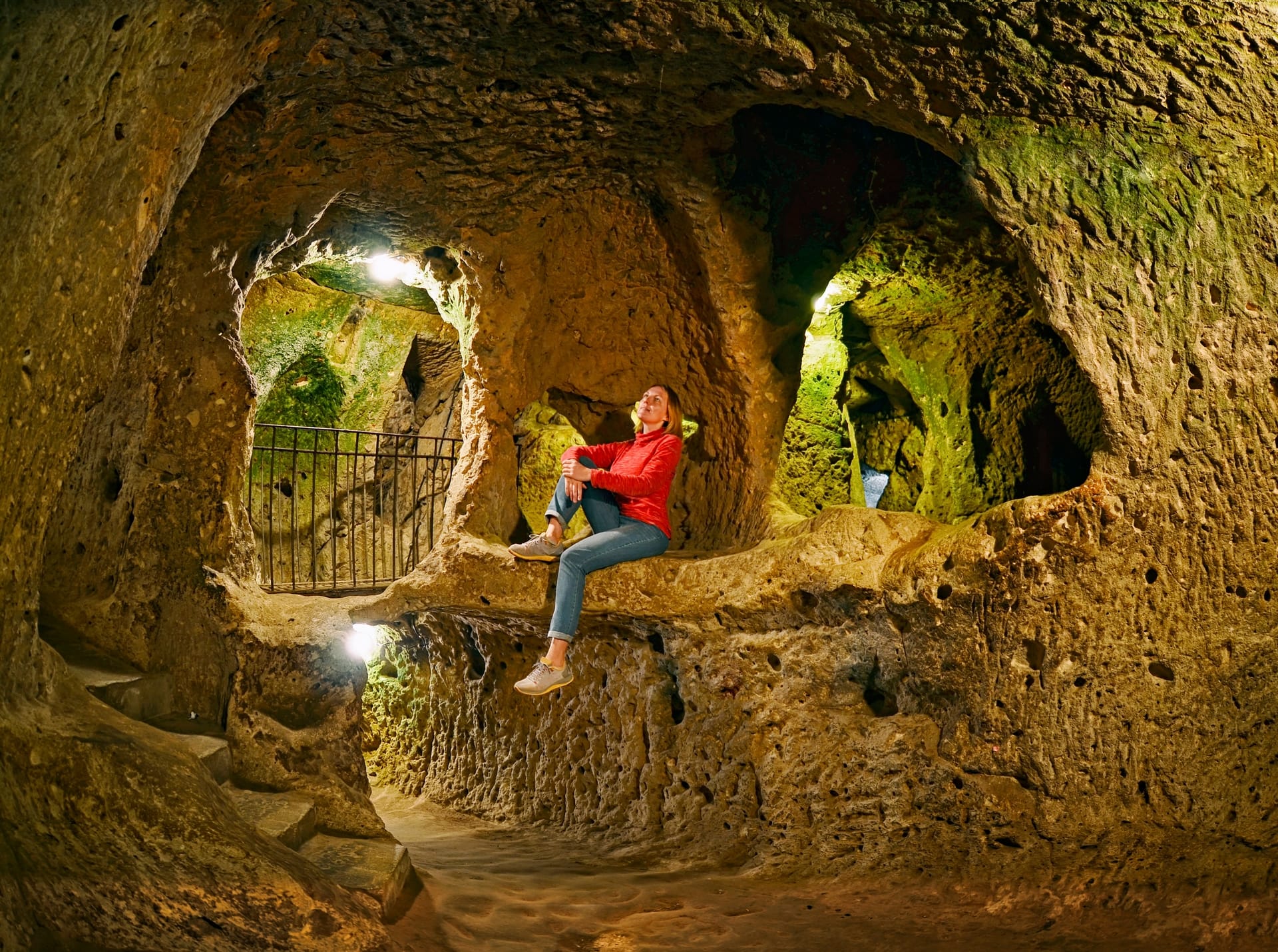
Depending on the selected program, it can combine famous fairy chimneys, panoramic viewpoints, valleys, historical attractions and underground heritage.
Including Pasabag allows travelers to experience one of Cappadocia’s most iconic landscapes while discovering other sides of the region during the same day.
Whether you choose a Red Tour Cappadocia or Cappadocia Mix Tour, visiting Pasabag with a guide adds historical and geological context to the landscape.
Pasabag or Love Valley?
Both Pasabag and Love Valley are famous for unusual rock formations, but the experiences are quite different.
Pasabag Monks Valley is particularly known for its mushroom-shaped and multi-headed fairy chimneys and its connection with monastic history.
Love Valley, on the other hand, is known for its tall pillar-like formations spread across a much larger valley landscape.
If you have enough time in Cappadocia, visiting both is worthwhile because they demonstrate how varied the region’s volcanic formations can be.
Best Time to Visit Pasabag
Pasabag can be visited throughout the year, and every season gives the landscape a different character.
Morning and late afternoon are particularly attractive for photography because softer sunlight can create more dramatic shadows across the fairy chimneys.
Spring and autumn are popular periods for exploring Cappadocia on foot, while winter can completely transform the valley when snow covers the surrounding landscape.
During busy travel periods, visiting earlier in the day can also provide a more comfortable experience.
Is Pasabag Monks Valley Worth Visiting?
Yes. Pasabag Monks Valley is one of the places that best represents the landscape travelers imagine when they think about Cappadocia.
Its extraordinary fairy chimneys are impressive on their own, but understanding the monks, hermits and religious traditions connected with the valley adds another dimension to the visit.
Here, Cappadocia’s geology and human history exist side by side.
Explore Pasabag Monks Valley independently or include it in a Cappadocia Red Tour or Cappadocia Mix Tour to combine its famous fairy chimneys with other highlights of the region.