Kaymakli Underground City – Explore Cappadocia Beneath the Ground
Kaymakli Underground City is one of the most fascinating historical attractions in Cappadocia. Hidden beneath the landscape of Central Anatolia, this extraordinary underground settlement reveals how communities created an entire world of tunnels, rooms, churches, storage areas and living spaces inside Cappadocia’s soft volcanic rock.
Located in Nevşehir Province, approximately 19 kilometers from Nevşehir, Kaymakli was opened to visitors in 1964 and today remains one of the best-known underground cities in Cappadocia.
Walking through its narrow passages is completely different from exploring Cappadocia above ground. Instead of fairy chimneys and open valleys, visitors enter a carefully organized underground environment designed for living, storing supplies and finding protection during dangerous periods.
History of Kaymakli Underground City
The history of Kaymakli Underground City stretches back many centuries and reflects different periods of Cappadocia’s past.
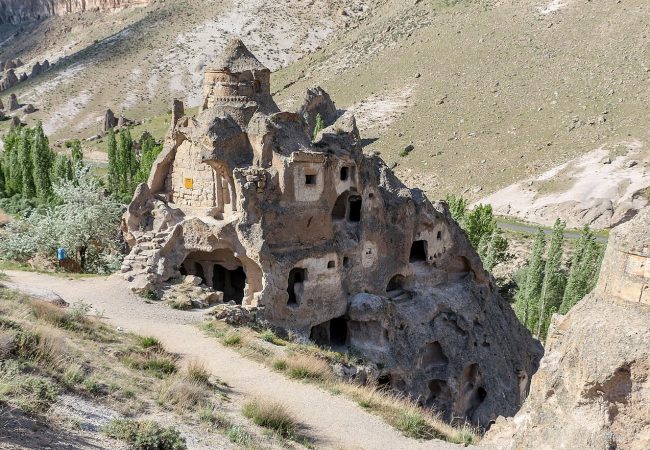
Early caves in the area’s soft volcanic rock may date back to ancient periods, while the underground complex was later expanded and developed extensively. During the Byzantine era, underground settlements became particularly important for Christian communities seeking protected spaces during periods of conflict.
Over time, Kaymakli developed into much more than a collection of caves. Living areas, churches, storage rooms and spaces connected with food production allowed communities to organize life beneath the surface.
This long history makes Kaymakli one of the most interesting places for understanding how people adapted to Cappadocia’s unusual geology.
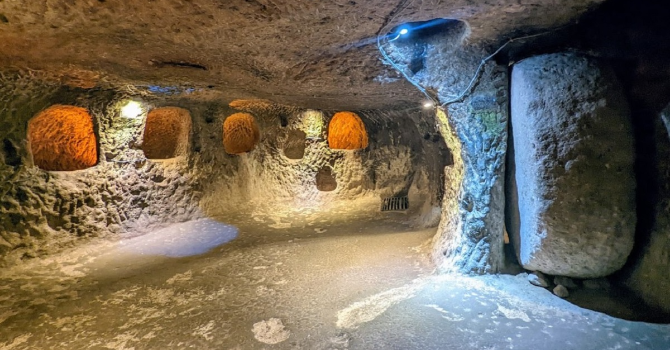
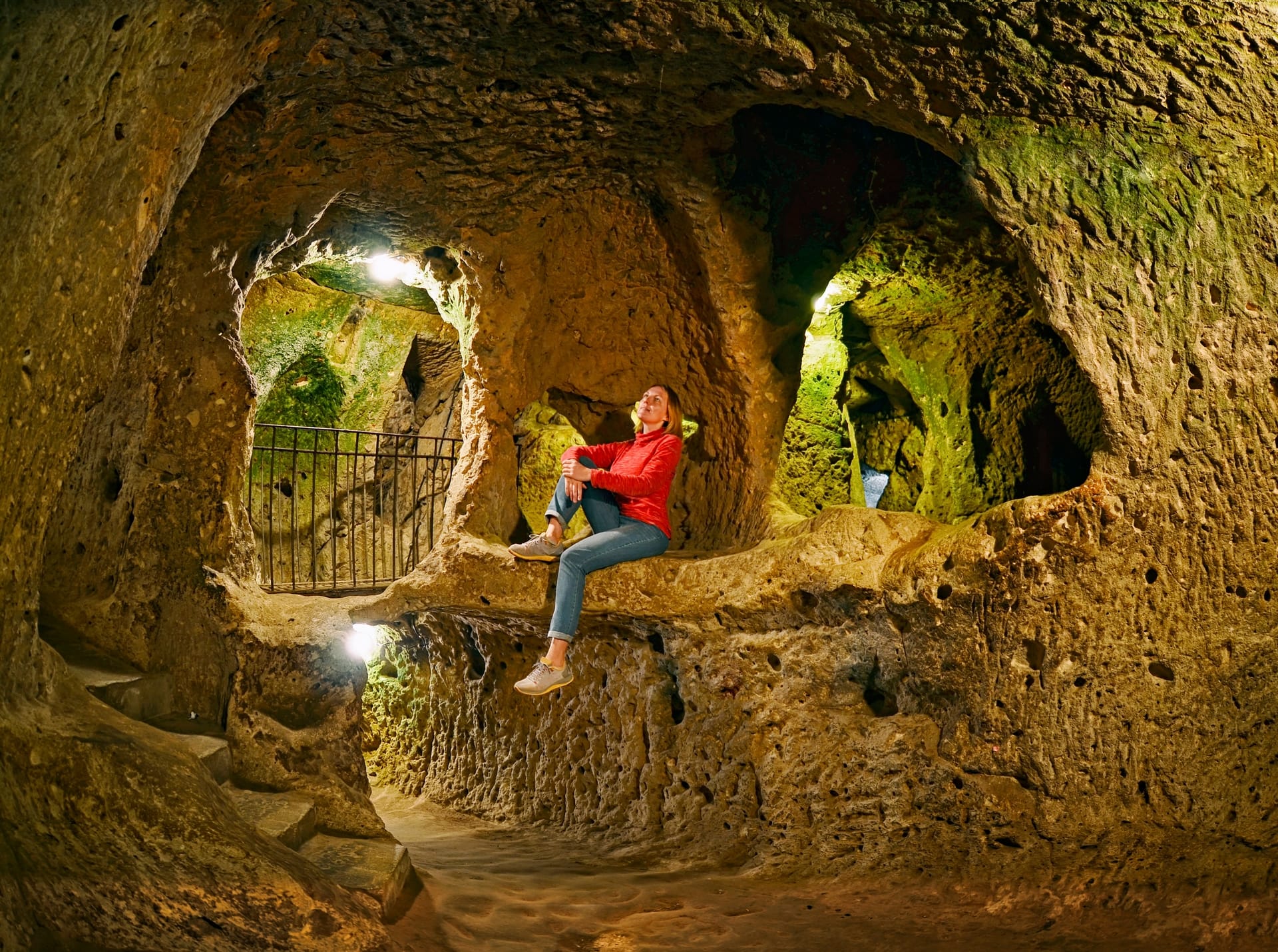
One of the most impressive aspects of Kaymakli Underground City Cappadocia is how carefully its underground spaces were organized.
Several levels extend beneath the surface, with four levels currently accessible to visitors. Rooms and passages are arranged around ventilation shafts that helped provide fresh air throughout the underground settlement.
While exploring Kaymakli, visitors can discover:
- Living quarters
- Stables
- Rock-cut churches
- Storage rooms
- Kitchens
- Wine and oil production areas
- Ventilation shafts
- Defensive stone doors
- Connecting tunnels
These were functional spaces designed to support everyday life rather than simply caves used for temporary shelter.
Life Beneath Cappadocia
The first accessible areas of Kaymakli Underground City include spaces associated with animals and everyday life.
As you travel deeper underground, narrow passages connect different rooms and communal areas. Churches and other religious spaces demonstrate the importance of faith to the communities that used the settlement.
The layout makes it easier to understand that Kaymakli functioned as an interconnected underground community rather than simply a hiding place.
Kitchens, Storage Rooms and Wine Production
Deeper sections of Kaymakli reveal how sophisticated underground life could be.
Visitors can encounter kitchens, storage areas and spaces associated with wine and oil production. Evidence of other activities, including metalworking, has also been discovered within the complex.
Storage was particularly important because communities needed enough food and supplies to remain underground when necessary.
How Did People Breathe Underground?
One of the most interesting questions about Kaymakli Underground City is how large groups of people could remain beneath the surface.
The answer can be found in its sophisticated ventilation system. Vertical ventilation shafts helped circulate air through different levels of the underground settlement.
Defensive Architecture of Kaymakli
Protection was another important part of the underground city’s design.
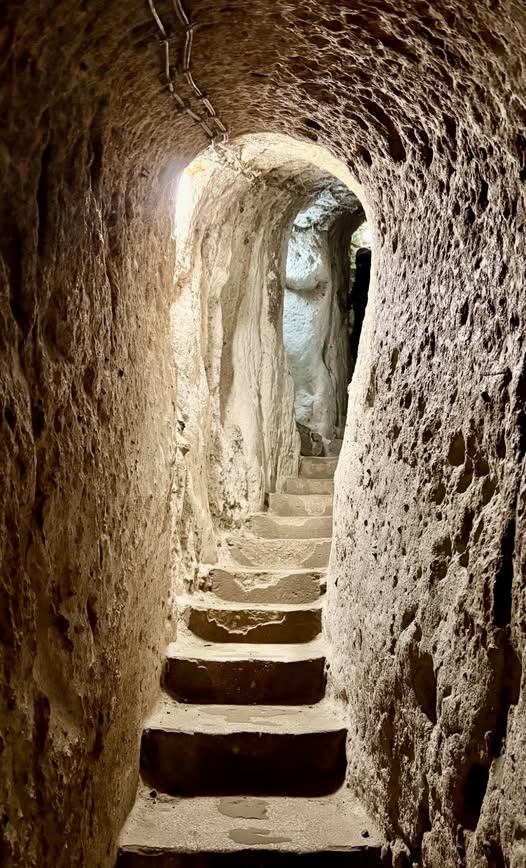
Narrow corridors helped control movement through the complex, while large circular stone doors could be used to close important passages.
Multiple levels, confined tunnels and protected spaces made underground settlements valuable places of refuge during periods of danger.
This defensive architecture is one of the reasons exploring Kaymakli feels completely different from visiting a conventional archaeological site.
Kaymakli or Derinkuyu Underground City?
Travelers planning a Cappadocia itinerary frequently encounter two famous names: Kaymakli Underground City and Derinkuyu Underground City.
Both are extraordinary examples of Cappadocia’s underground heritage, but their layouts and visitor experiences are different.
Kaymakli is characterized by interconnected rooms and tunnels, with some sections being narrow, low and steep.
Rather than asking which underground city is simply “better,” it is more useful to think of Kaymakli and Derinkuyu as two different examples of how communities adapted Cappadocia’s volcanic landscape for underground life.
Discover Kaymakli Underground City with Green Tour or Mix Tour
One of the easiest ways to explore Kaymakli Underground City is by joining a guided Cappadocia Green Tour or Cappadocia Mix Tour.
With the Green Tour Cappadocia, travelers can combine an underground city experience with some of the region’s remarkable natural and historical attractions. It is an excellent option for visitors who want to discover both the landscapes and underground heritage of Cappadocia during a full-day guided experience.
Another option is the Cappadocia Mix Tour, which combines selected highlights from different Cappadocia routes. It is particularly suitable for travelers with limited time who want to experience an underground city together with valleys, viewpoints and other important attractions.
Visiting Kaymakli Underground City with a professional guide can also make the experience more meaningful. Instead of simply walking through tunnels and rooms, visitors can learn about the ventilation shafts, defensive systems, churches, storage areas and the daily lives of the communities that used these spaces.
Whether you choose the Cappadocia Green Tour or the Cappadocia Mix Tour, Kaymakli provides an unforgettable opportunity to discover a completely different side of Cappadocia.
What to Know Before Visiting Kaymakli Underground City
Exploring an underground city is different from visiting most other attractions in Cappadocia.
Some passages inside Kaymakli are narrow, low and steep. Comfortable shoes are therefore recommended.
Visitors who are uncomfortable in confined spaces or who have significant mobility difficulties should consider the underground environment before entering.
There is also no need to rush through the site. Taking time to observe the ventilation system, stone doors, churches, storage areas and connecting passages makes the experience much more interesting.
Why Visit Kaymakli Underground City?
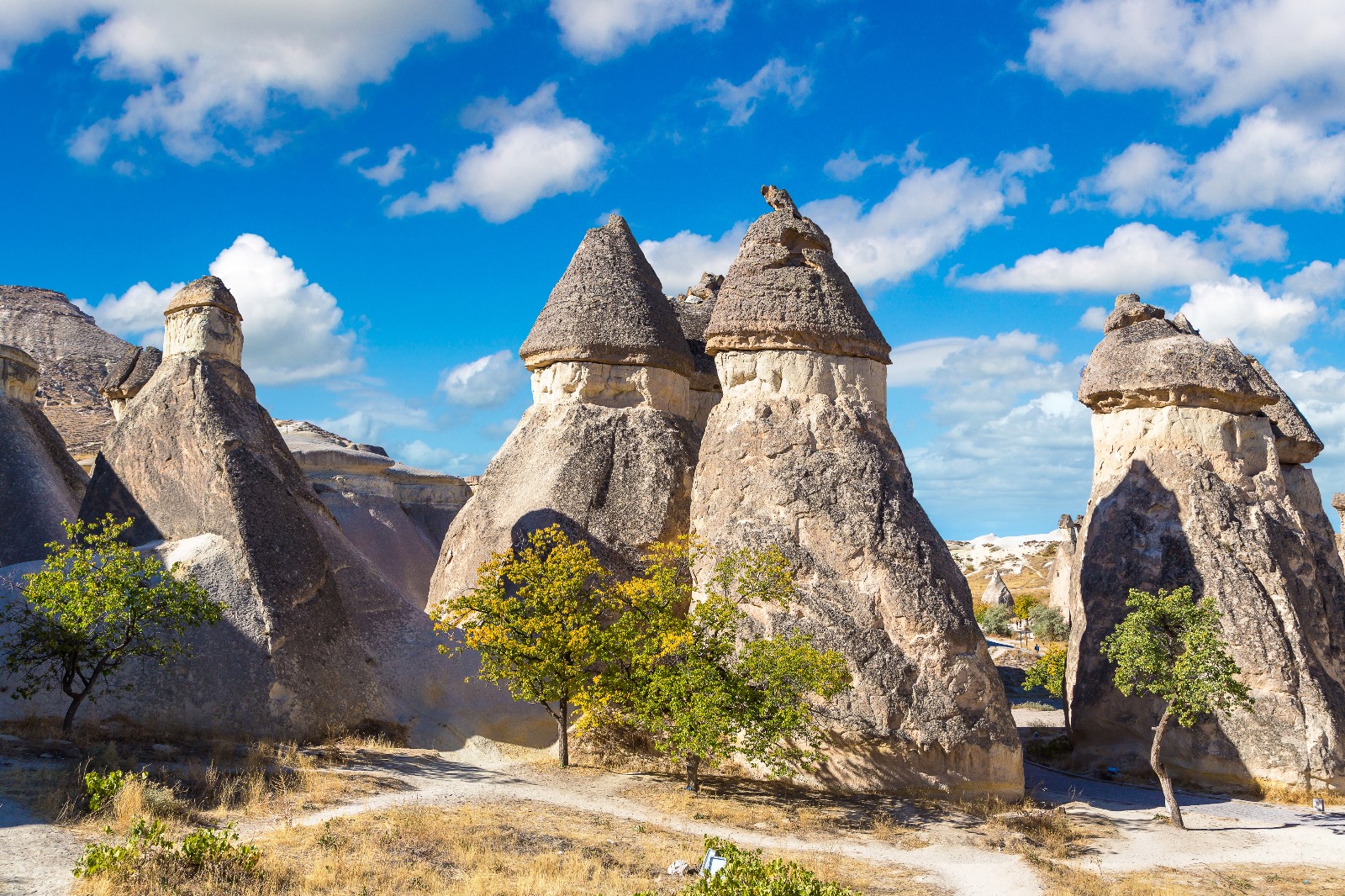
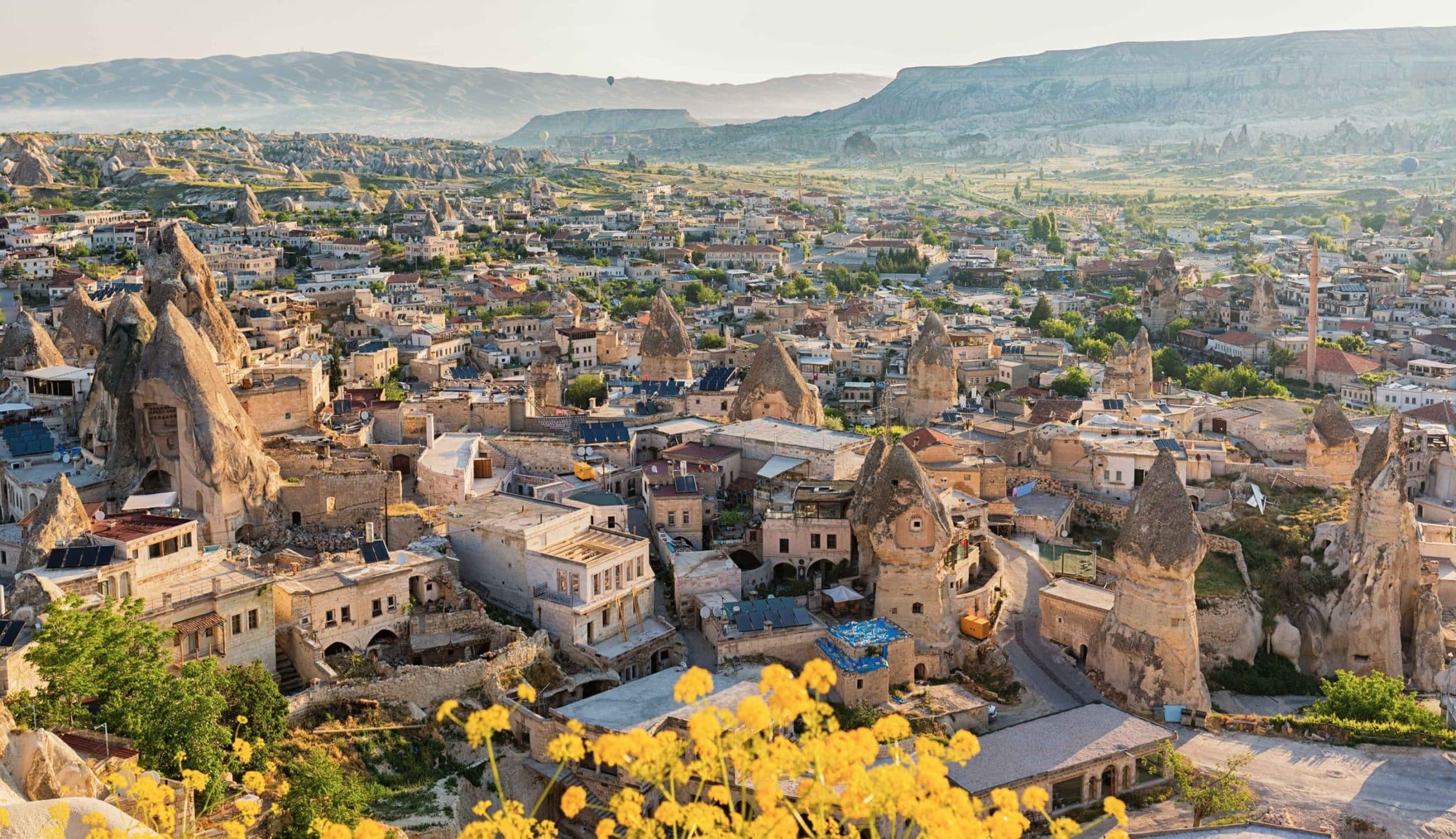
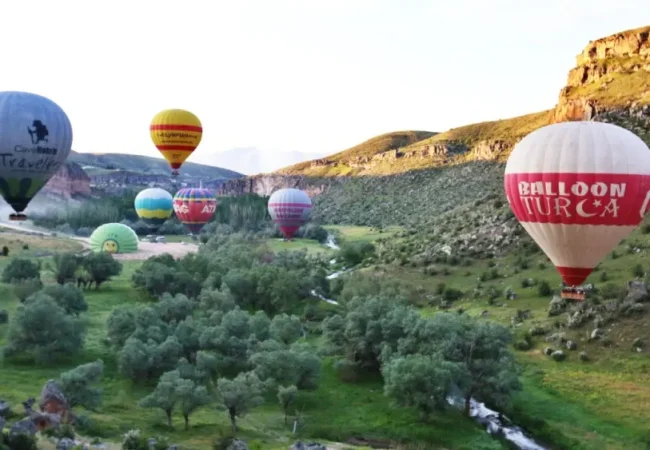
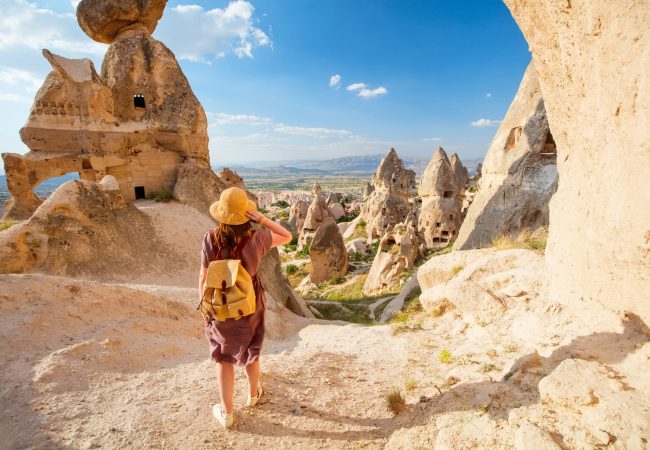
Cappadocia is famous around the world for what visitors can see above ground: fairy chimneys, valleys, cave hotels and colorful hot air balloons.
Kaymakli Underground City reveals what lies beneath that landscape.
Descending through its passages allows travelers to discover how generations of people transformed Cappadocia’s volcanic rock into living spaces, storage areas, religious spaces and places of protection.
For travelers interested in history, archaeology and unusual architecture, Kaymakli deserves a place on a Cappadocia itinerary.
Explore Kaymakli Underground City and then continue discovering the region with a Green Tour Cappadocia or Cappadocia Mix Tour for a broader experience of Cappadocia’s history and landscapes.