Ozkonak Underground City – Discover Hidden Cappadocia
Ozkonak Underground City, known in Turkish as Özkonak Underground City, is one of Cappadocia’s fascinating underground settlements. Located near Avanos in Nevşehir Province, the site offers visitors an opportunity to explore a hidden world of tunnels, rooms, ventilation shafts, storage areas and defensive structures carved into the volcanic rock.
Although it is less famous than Derinkuyu or Kaymakli, Ozkonak Underground City Cappadocia has a distinctive character of its own. Its compact layout, defensive features and unusual communication openings make it an interesting destination for travelers who want to discover another side of Cappadocia’s underground heritage.
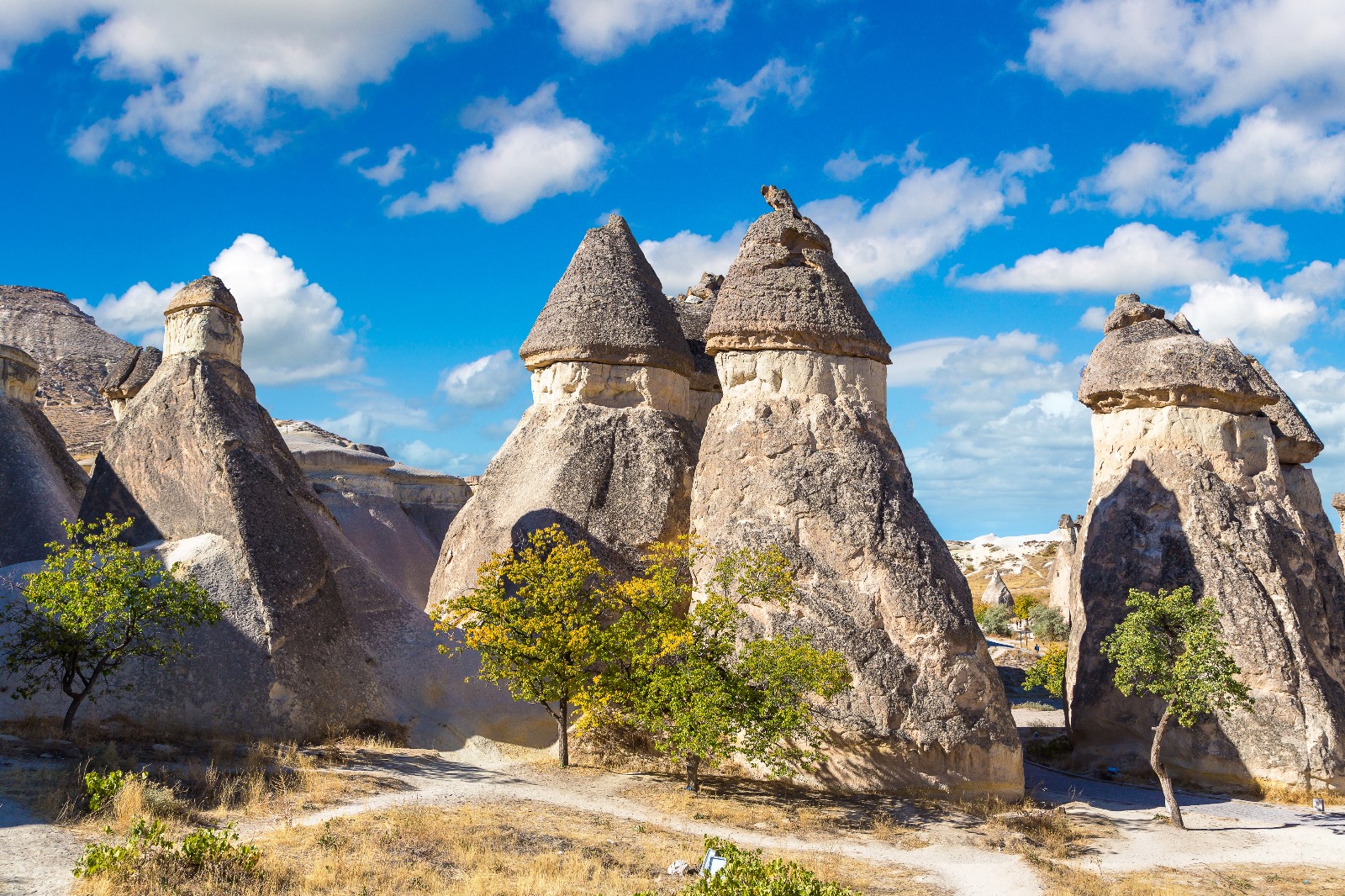
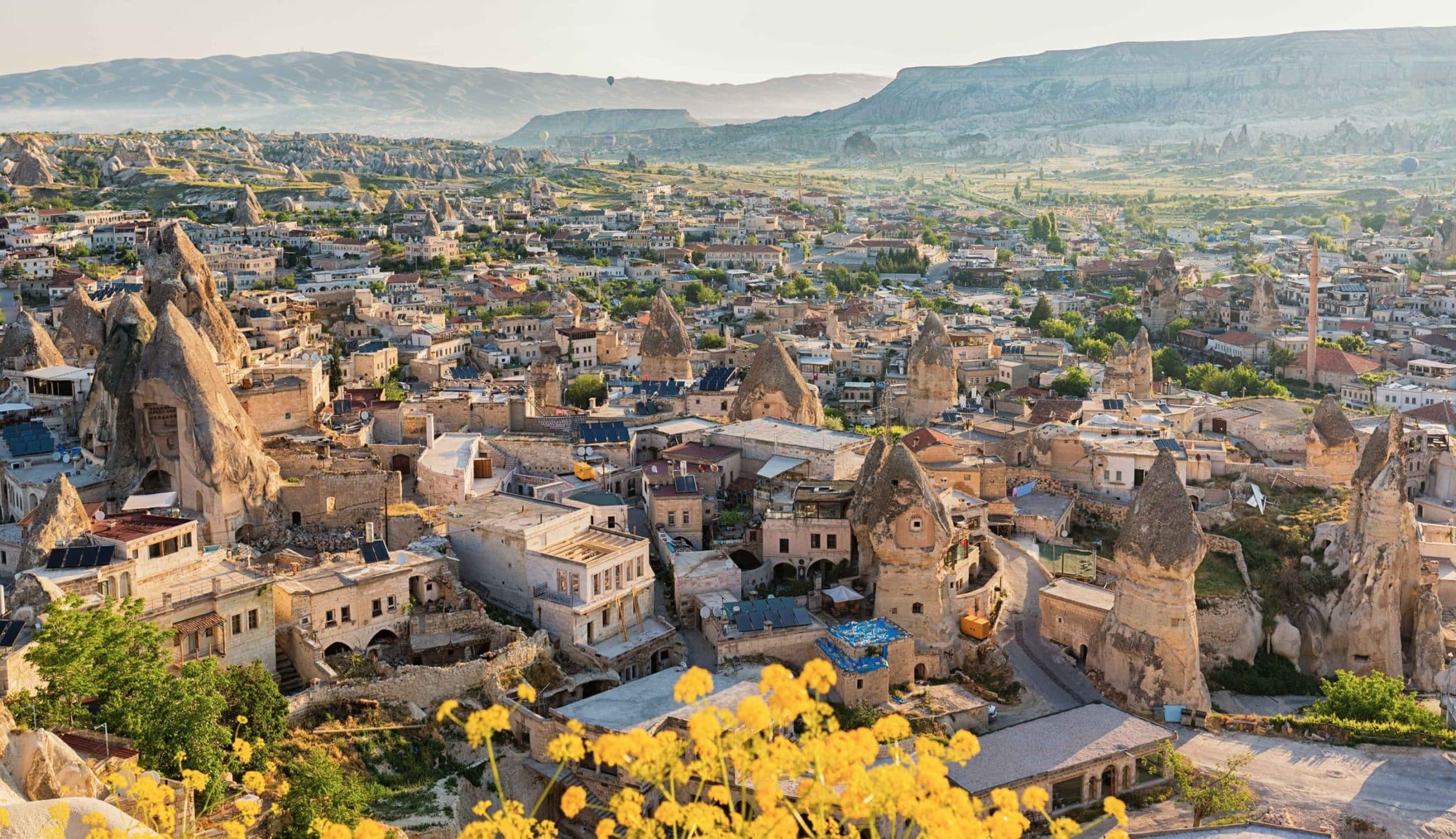
Exploring Ozkonak allows visitors to move beyond the region’s famous fairy chimneys and valleys and discover how communities adapted Cappadocia’s soft volcanic landscape for protection and daily life.
History of Ozkonak Underground City
The history of Ozkonak Underground City is connected with the long tradition of underground settlement in Cappadocia.
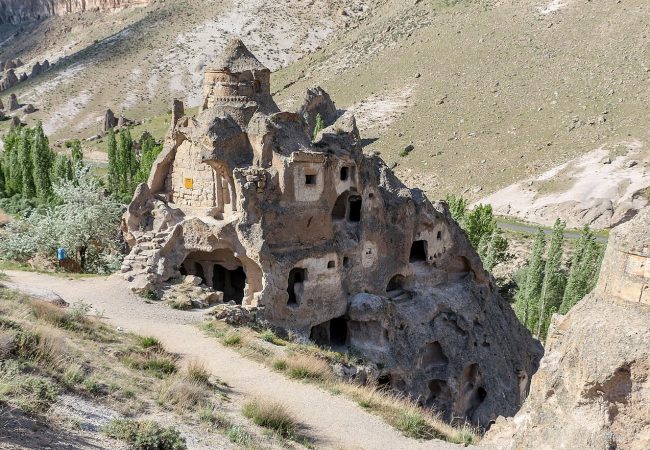
Across the region, volcanic rock made it possible to carve rooms, tunnels and storage spaces below the surface. These underground environments were developed and expanded over different historical periods and were especially valuable when local communities needed secure places of refuge.
Ozkonak reflects this same tradition, with interconnected spaces designed for living, storage, ventilation and defense.
The site provides a valuable example of how Cappadocia’s inhabitants used the natural landscape not only above ground but also beneath it.
What Is Inside Ozkonak Underground City?
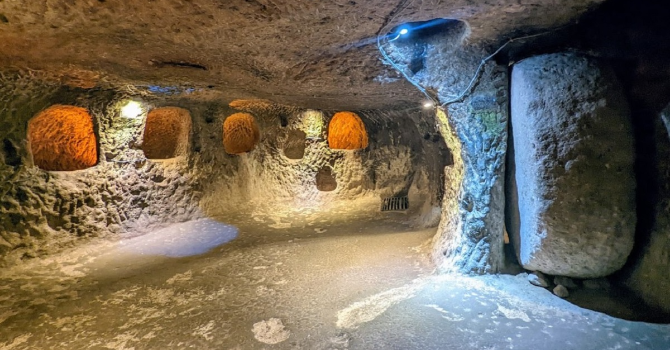
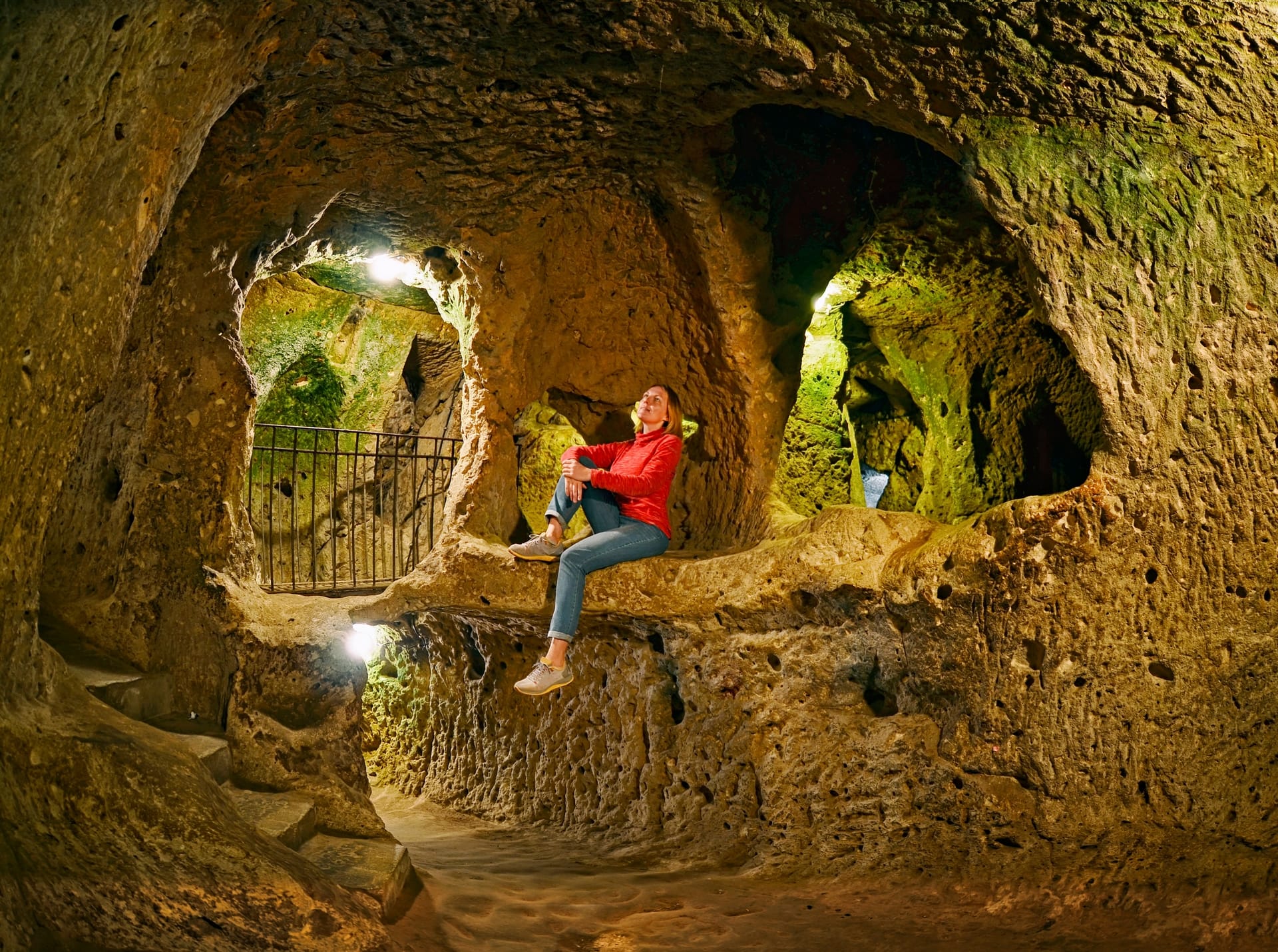
Visitors entering Ozkonak Underground City can discover a series of underground spaces connected by narrow passages.
Different areas are associated with practical needs such as:
- Living spaces
- Food storage rooms
- Ventilation shafts
- Connecting tunnels
- Defensive stone doors
- Communal areas
- Underground chambers
The layout demonstrates that Ozkonak was designed as an organized underground environment rather than simply a collection of isolated caves.
Unique Communication Tunnels and Openings
One of the most interesting features associated with Ozkonak Underground City is its system of small openings between different underground levels and rooms.
These narrow holes are thought to have served practical purposes, including communication between different sections of the underground settlement.
They may also have helped residents observe movement through passages or coordinate activity between protected areas.
This feature helps distinguish Ozkonak from some of Cappadocia’s better-known underground cities.
Defensive Architecture of Ozkonak
Defense was an important consideration in the design of Cappadocia’s underground settlements.
At Ozkonak Underground City, narrow corridors made movement easier to control, while large circular stone doors could be used to block important passageways.
These heavy stone barriers could help separate different sections of the underground complex and restrict access from outside.
The combination of tunnels, protected chambers and stone doors reveals how carefully the underground city was designed for security.
Ventilation System
Fresh air was essential for anyone spending long periods underground.
Like other underground cities in Cappadocia, Ozkonak includes ventilation shafts that allowed air to circulate through the settlement.
These shafts demonstrate the practical planning required to make underground spaces usable for groups of people.
When exploring the site today, the ventilation system remains one of the most interesting examples of underground engineering.
Everyday Life Beneath Cappadocia
Ozkonak Underground City was not simply a defensive shelter. Its rooms and passages also reflect the everyday needs of the communities that used the underground environment.
Storage areas made it possible to keep food and supplies protected, while different chambers could serve practical functions during periods when people remained underground.
The organization of the site demonstrates how communities adapted the volcanic rock to create functional spaces beneath the surface.
Ozkonak or Kaymakli Underground City?
Visitors planning a Cappadocia trip often compare Ozkonak Underground City with Kaymakli Underground City.
Kaymakli is larger and more famous internationally, while Ozkonak generally offers a smaller and more compact underground experience.
Ozkonak is particularly interesting because of its unusual communication openings and distinctive defensive layout.
Rather than choosing one site as universally better, travelers can view them as different examples of Cappadocia’s underground architecture.
Ozkonak or Derinkuyu Underground City?
Derinkuyu Underground City is known for its remarkable depth and vertical organization, while Ozkonak offers a more compact network of chambers and tunnels.
Both sites demonstrate how sophisticated underground settlements could become in Cappadocia, but the visitor experience is different.
Travelers interested in underground history may find it worthwhile to explore more than one underground city during their stay.
Exploring Ozkonak Underground City
Walking through Ozkonak Underground City Cappadocia gives visitors a close look at Cappadocia’s hidden architecture.
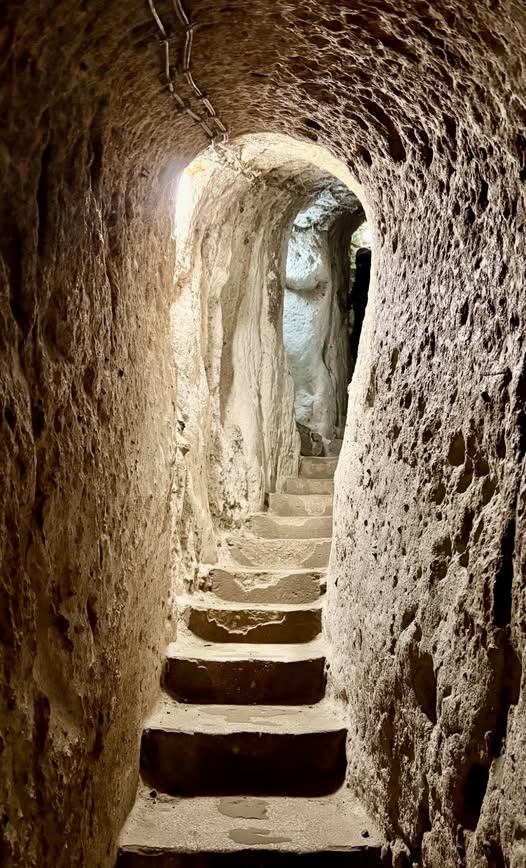
Instead of looking across open valleys and fairy chimneys, visitors descend through narrow passages and enter chambers carved directly into the rock.
Observing the ventilation shafts, stone doors and communication openings helps reveal how intelligently the underground environment was organized.
The relatively compact nature of the site also allows visitors to focus closely on the details of its construction.
What to Know Before Visiting Ozkonak
Some passages inside Ozkonak Underground City can be narrow, low or steep.
Comfortable footwear is recommended, and visitors should take their time when moving through the underground sections.
People who are uncomfortable in confined spaces should consider the nature of the site before entering.
Visitors with significant mobility difficulties may also find some parts of the underground city challenging.
Why Visit Ozkonak Underground City?
Cappadocia is famous for its extraordinary landscapes above the surface, but its underground cities reveal another important part of the region’s history.
Ozkonak Underground City offers visitors the opportunity to discover tunnels, stone doors, ventilation systems and hidden chambers created inside Cappadocia’s volcanic rock.
Its unusual communication openings and defensive architecture make it particularly interesting for travelers who have already seen the region’s more famous attractions.
For anyone interested in archaeology, history or unusual architecture, Ozkonak Underground City is a fascinating place to include in a Cappadocia itinerary.
Exploring Ozkonak shows that some of Cappadocia’s most remarkable stories are not found among the fairy chimneys above ground, but hidden beneath the landscape.